Designing the First Usable Version of a Cross-Border Fintech Product
Timeline
2024
PLATFORM
Mobile Fintech Product
MY ROLE
Product Designer
Overview
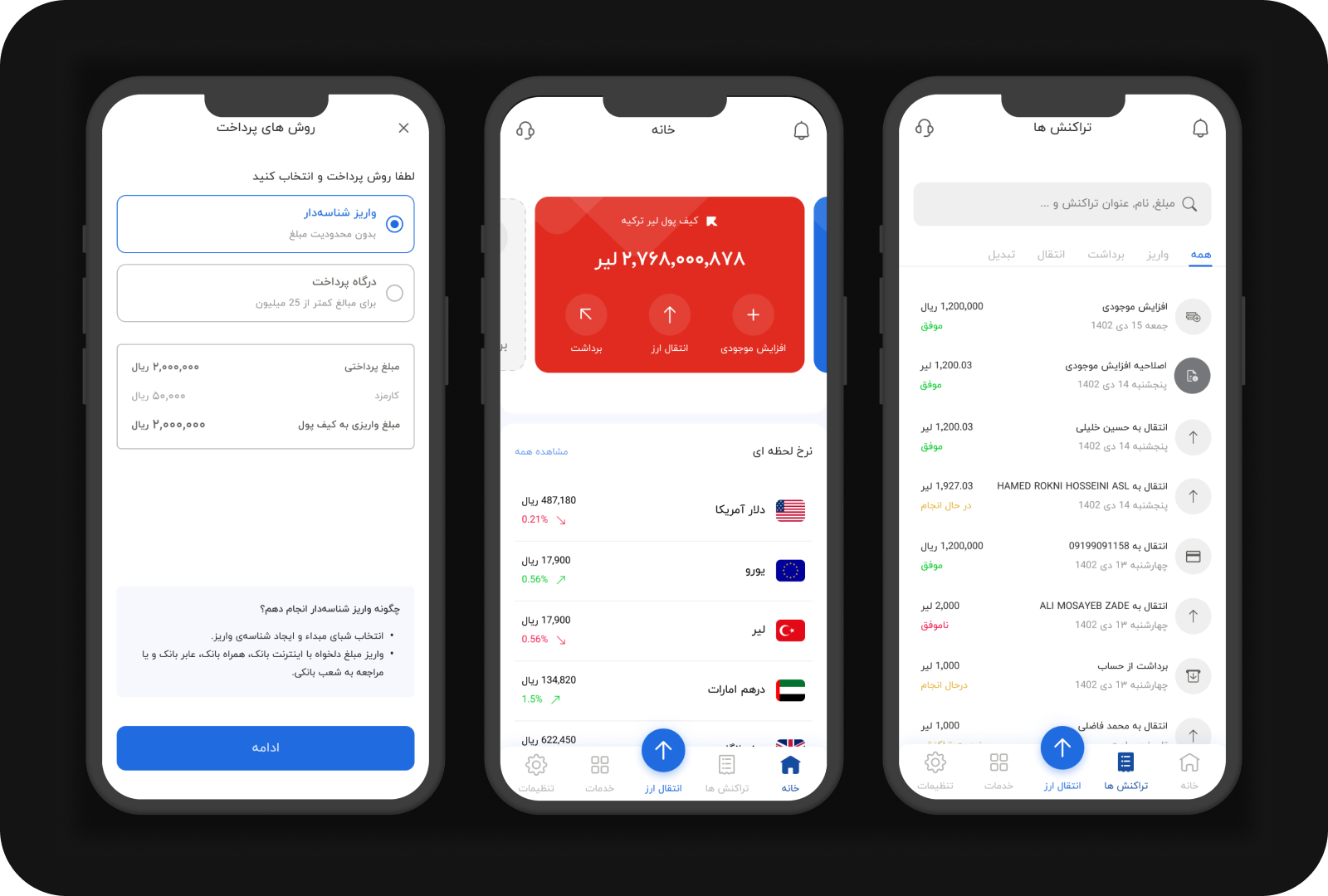
Remino is a cross-border fintech application that enables users to verify their identity, manage a wallet, and move money between Iran and Turkey.
The product supports core financial actions including account verification, wallet deposits and withdrawals, currency exchange, transfers to other users, and transaction tracking.
My work focused on defining and designing the first usable version of the product, shaping how users move from entry to their first successful financial action in a trust-sensitive environment.
Context
Operating in a trust-critical environment
Remino operates in a cross-border financial context where users are required to share sensitive personal and financial information early. Expectations around clarity, safety, and predictability are high.
At the same time, the product must accommodate country-specific requirements for Iran and Turkey, introducing unavoidable complexity into identity verification and transfers.
The challenge was not to remove this complexity, but to design an experience that makes it understandable and manageable.
The Problem
Defining a usable first version
The primary problem was defining a first version of the product that users could confidently complete end to end.
Early risks included unclear sequencing between verification and financial actions, insufficient feedback during sensitive steps, and a lack of continuity between setup and real usage.
For the product to succeed, users needed to understand:
- what was required of them
- where they were in the process
- when they could start using the product meaningfully
Where risk concentrated
Reviewing the screens and flows revealed that uncertainty concentrated around account readiness, identity verification, and the transition into the first transfer.
These moments required the most deliberate design attention.
- Entry
User opens Remino
- Register
User signs up
- Verify identity
User completes Iran or Turkey verification
- Deposit
User adds money to their Remino wallet
- Transfer
User sends money
- Completed
Money is successfully sent
Constraints
Regulatory and operational requirements
Verification steps, document capture, and country-specific identity flows were fixed requirements and could not be removed.
Trust sensitivity
Ambiguity during verification, transfers, or error states risked eroding confidence quickly.
MVP delivery
The product needed to reach a usable state without overbuilding secondary functionality. Prioritization and sequencing mattered more than feature breadth.
Strategy
Establishing a clear early journey
The strategy focused on defining a coherent early journey that connects entry, verification, and first financial action without friction or surprise.
Rather than treating flows as independent features, the product was designed as a continuous system, where each step prepares the user for the next.
Designing for predictability
Across verification, deposits, transfers, and withdrawals, predictability became a core principle. Users needed consistent structure, familiar patterns, and clear feedback regardless of the action they were taking.
Verification
Identity setup
Country-based compliance
Wallet & Balance
Deposit funds
Wallet readiness
Transfer & Transactions
Currency exchange
Money transfer
Transaction history
Key Decisions
Prioritizing identity before money movement
Identity verification for Iran and Turkey was positioned as a prerequisite for meaningful financial actions. The product makes this dependency explicit, reducing confusion when actions are restricted.
Supporting multiple financial actions without fragmentation
Wallet deposit, withdrawal, and transfer flows share consistent structure and interaction patterns. This reduces cognitive load and allows users to move between actions without relearning the interface.
Designing transfer flows around real usage
Transfer flows support currency exchange, recipient selection, and confirmation in a clear sequence. Fees, amounts, and outcomes are visible before commitment, reducing hesitation at the decision point.
Making transaction history a core experience
Transaction history is not treated as a secondary log. It acts as confirmation, reassurance, and a reference point that reinforces trust in the system.
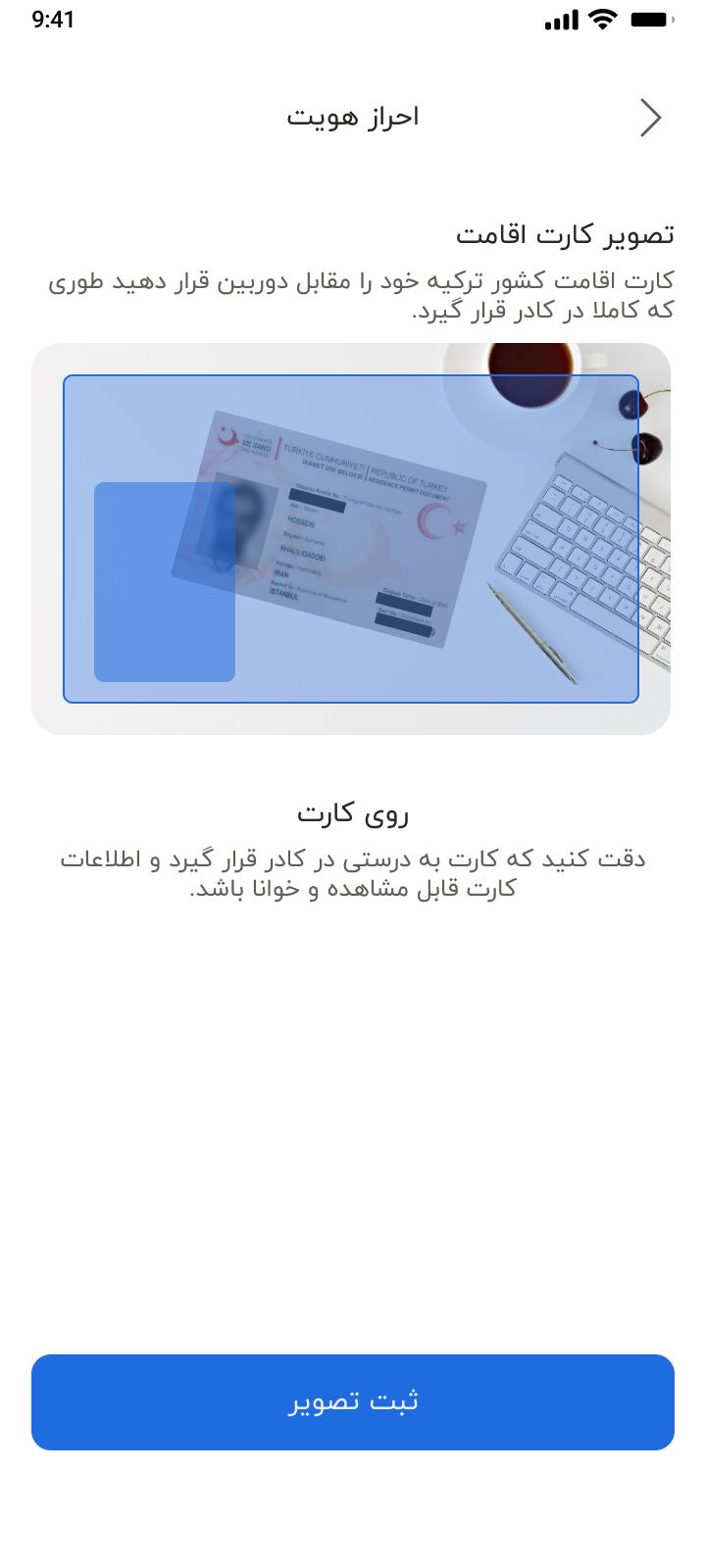
Identity verification for Turkey tomeet compliance requirements
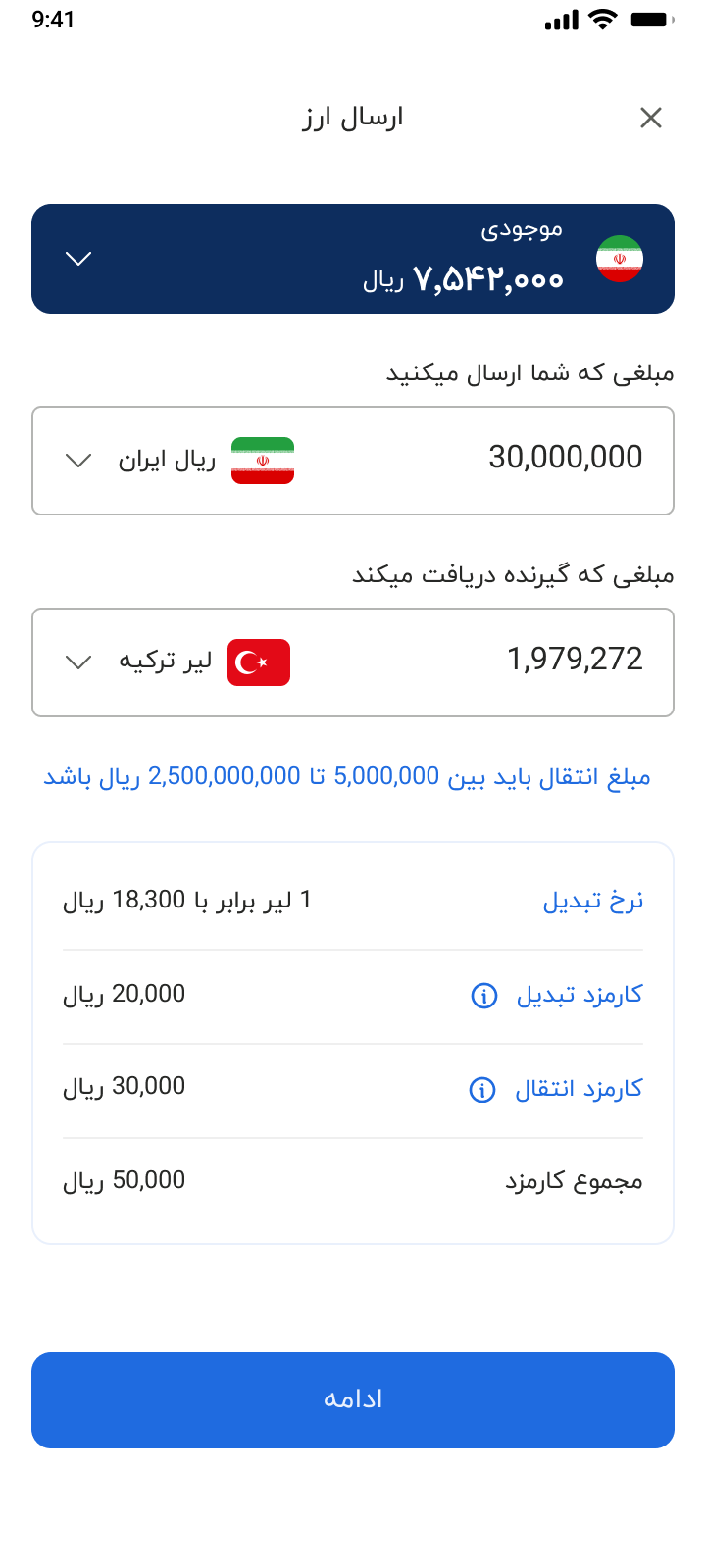
Setting up a cross-border transfer with exchange visibility
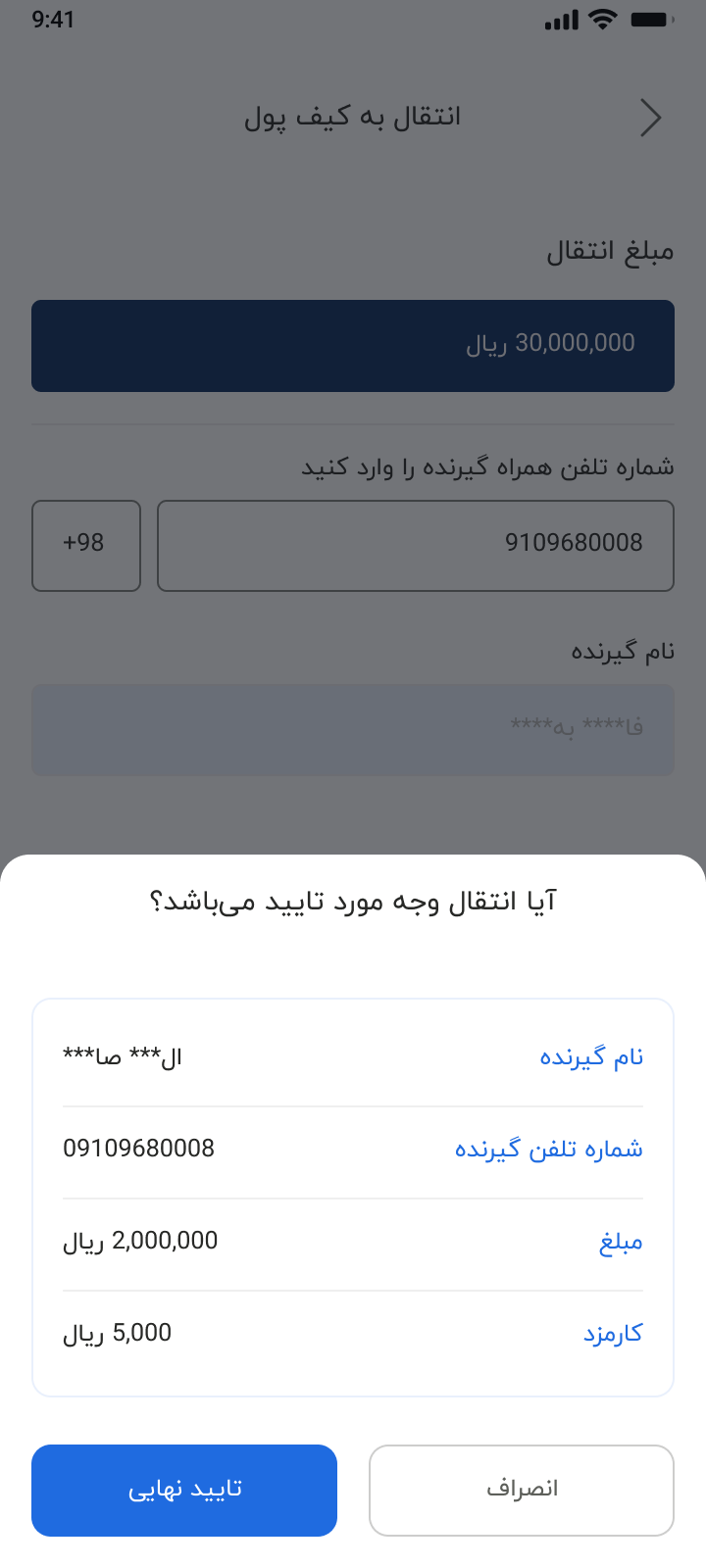
Transfer confirmation required before submission
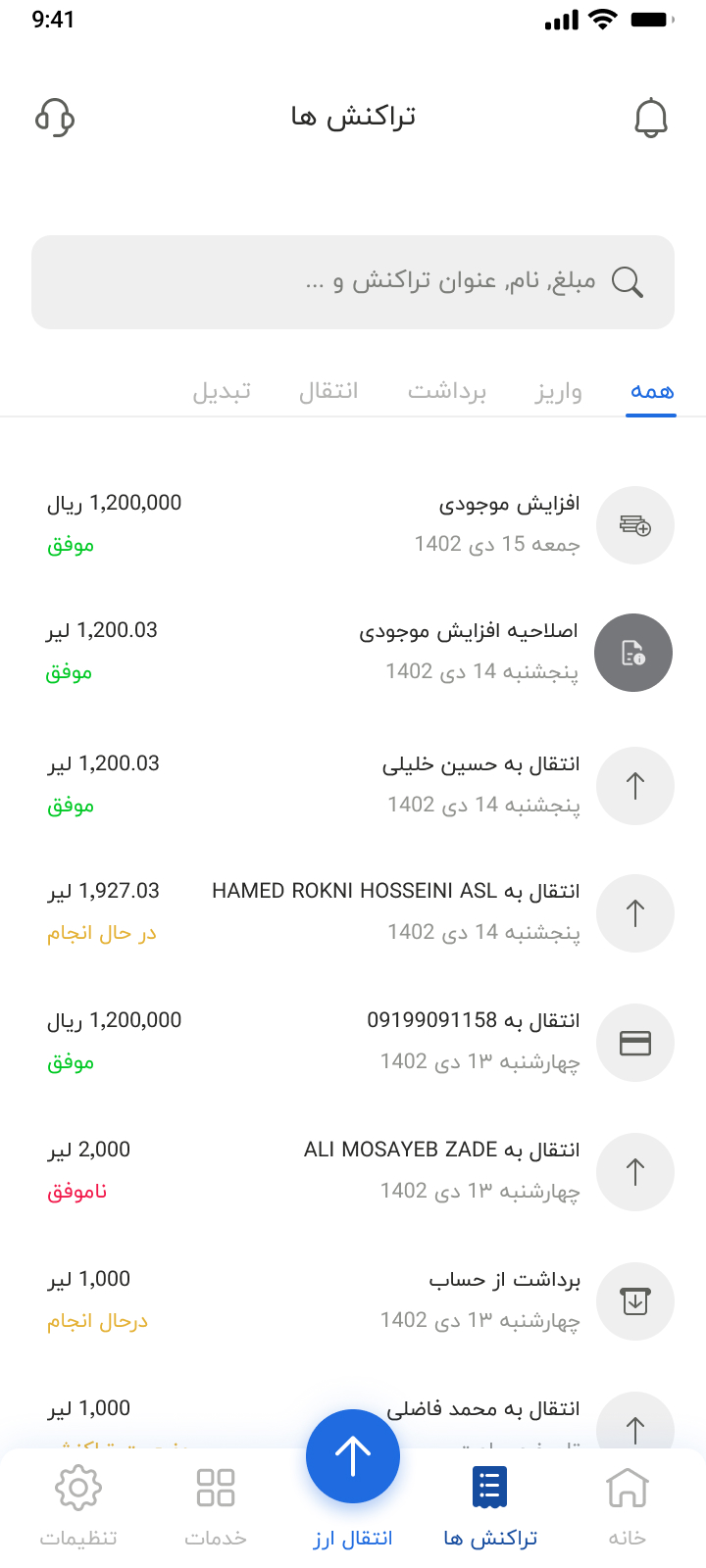
Transaction history with clearstatus and detailed traceability
Final Design
Core product capabilities
The first usable version of Remino supports:
- login and registration
- country-specific identity verification for Iran and Turkey
- wallet deposit and withdrawal
- money transfer with currency exchange
- transaction history and detailed transaction states
Each capability is designed to fit within a shared structure, avoiding isolated or one-off flows.
How the product feels in use
The experience is structured and deliberate. Users are guided through verification before financial actions, and once active, can move confidently between wallet management and transfers.
Success, failure, and pending states are clearly communicated, maintaining continuity across the product.
Verification

Select your country to start identity verification based on local requirements.
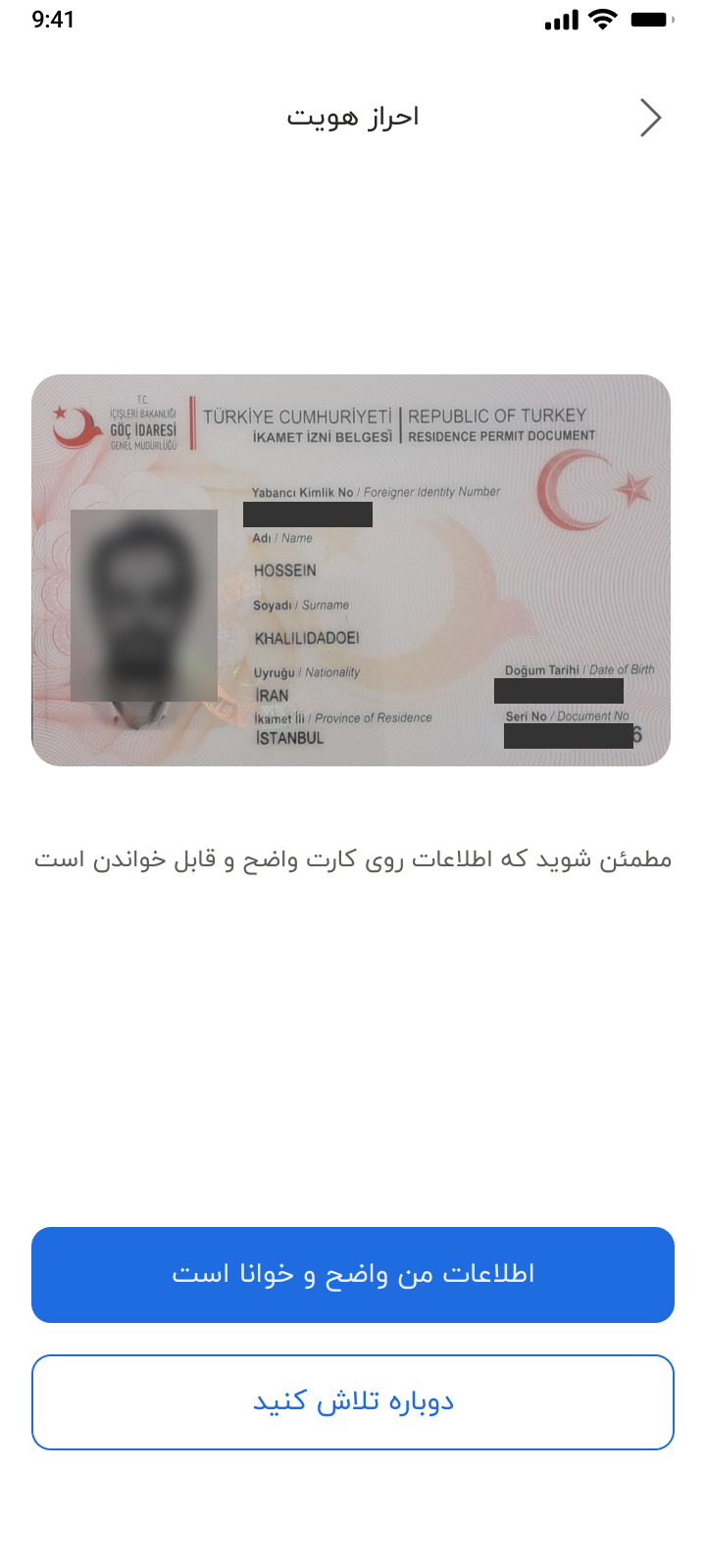
Upload and review your identity documents before submitting for verification.
Deposit
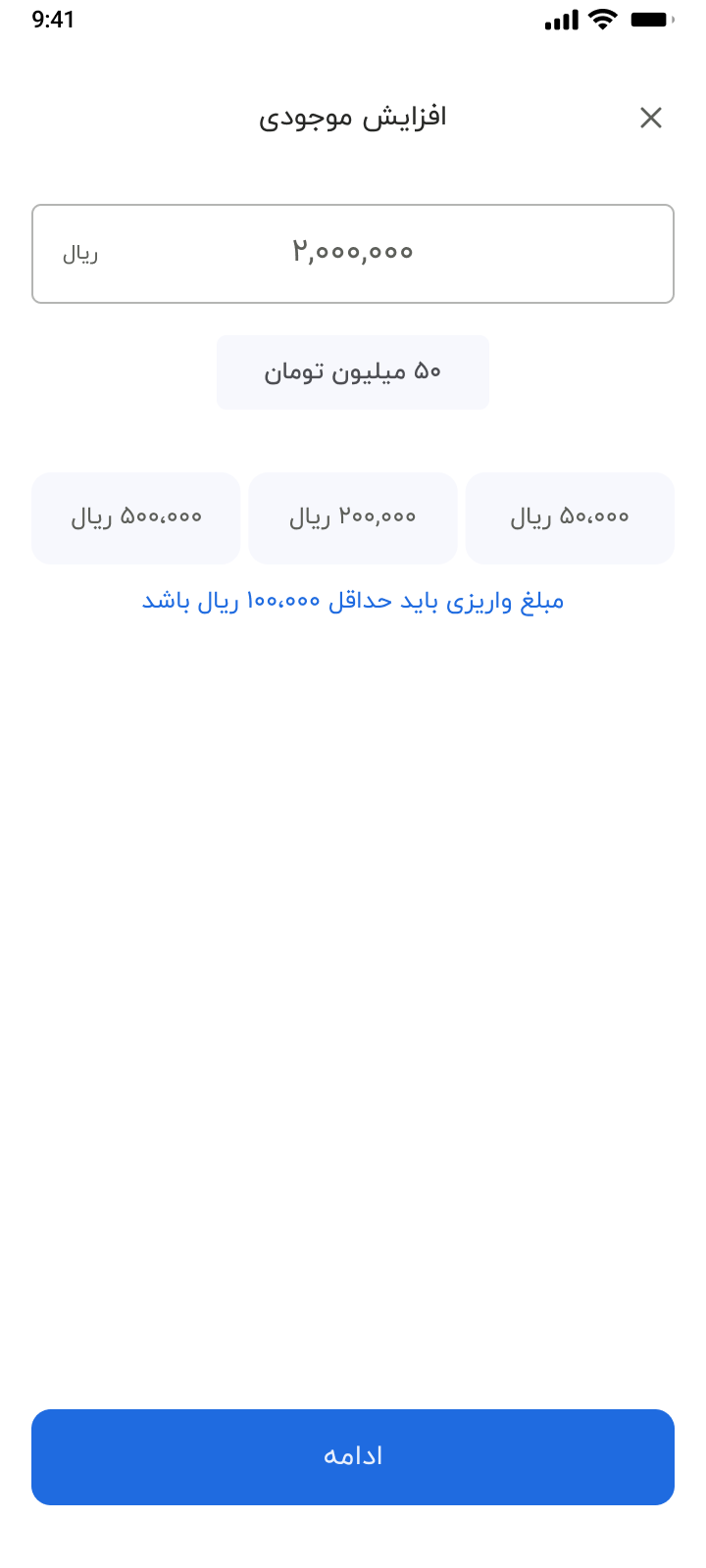
Enter the amount you want to add to your wallet balance before continuing.
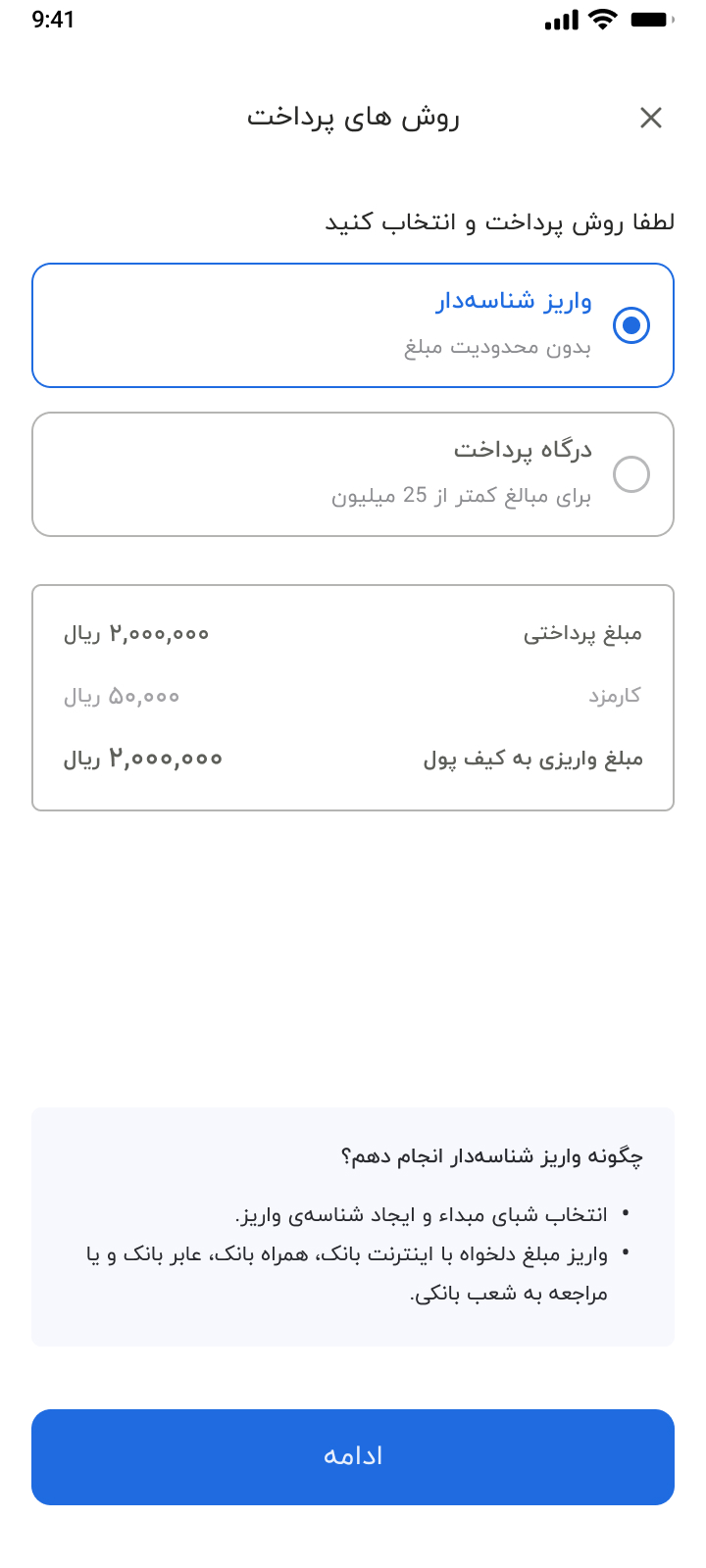
Select a payment method and review deposit details before moving forward.
Transfer and Exchange
Review the sending amount, real-time exchange rate, and all transfer fees before continuing.
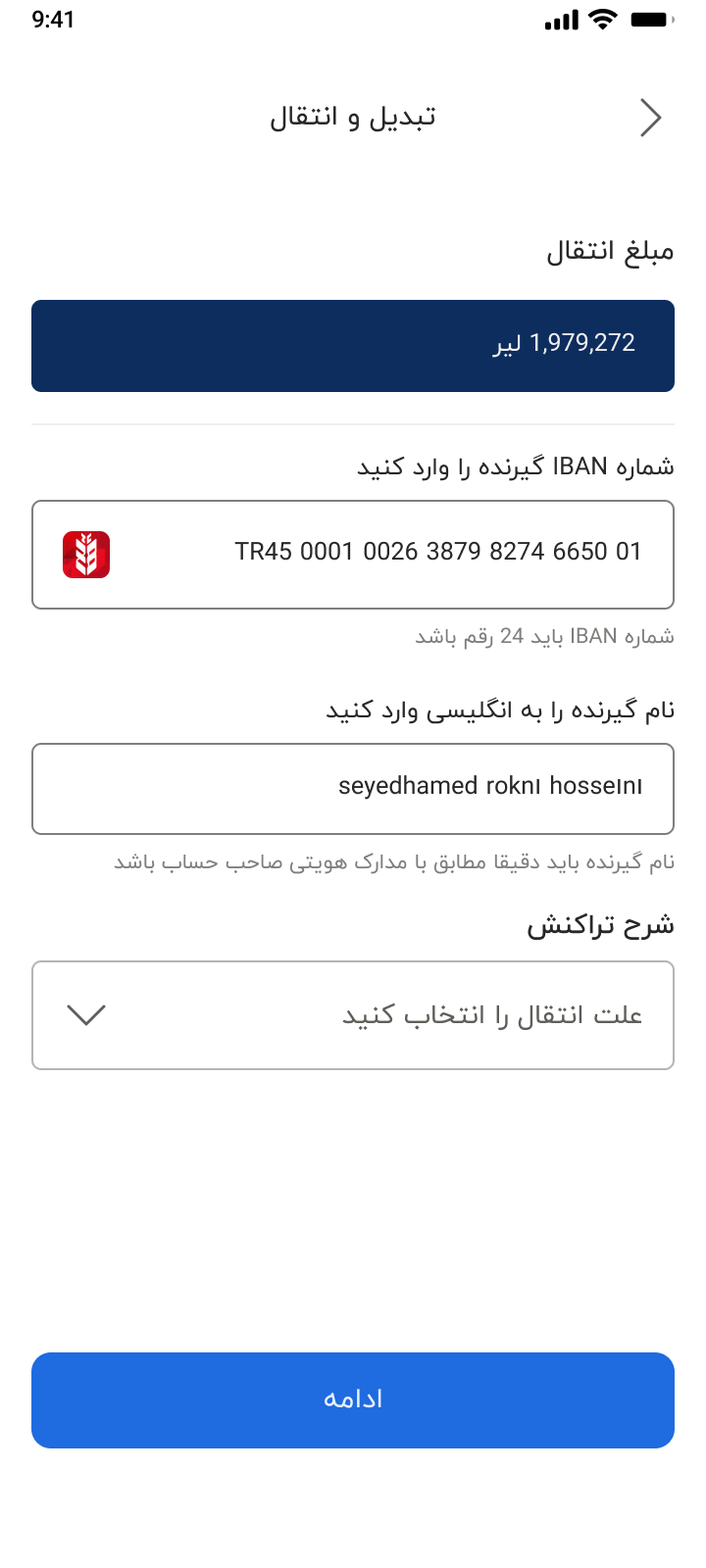
Enter the recipient’s IBAN and personal details required to process the international transfer.
Outcomes
Product impact
The product reached a usable MVP state with clear flow ownership and consistent interaction patterns. Stakeholders were able to align around a shared understanding of the product structure early.
Design and development progressed with fewer reversals due to clearly defined flows and reusable patterns.
Signals for future measurement
If instrumentation were added, success would be evaluated through completion of verification, first transfer completion, and reduction in support issues related to early usage.
My Role
Ownership
I was responsible for defining and designing the MVP and first usable version of the product.
This included flow definition, interaction design across all core features, alignment with regulatory constraints, and validation of key journeys before development.
Learnings
Trust is built across systems, not screens
In a fintech product, clarity and predictability across the entire journey matter more than polish in any single flow.
Early structure prevents later rework
Designing shared patterns for financial actions reduced fragmentation and made future iteration easier.
Next Steps
Future work would focus on deeper instrumentation, refinement of verification feedback loops, and extension of validated patterns to additional financial scenarios.
Improving error recovery and edge cases would further strengthen user confidence.
Designing the First Usable Version of a Cross-Border Fintech Product
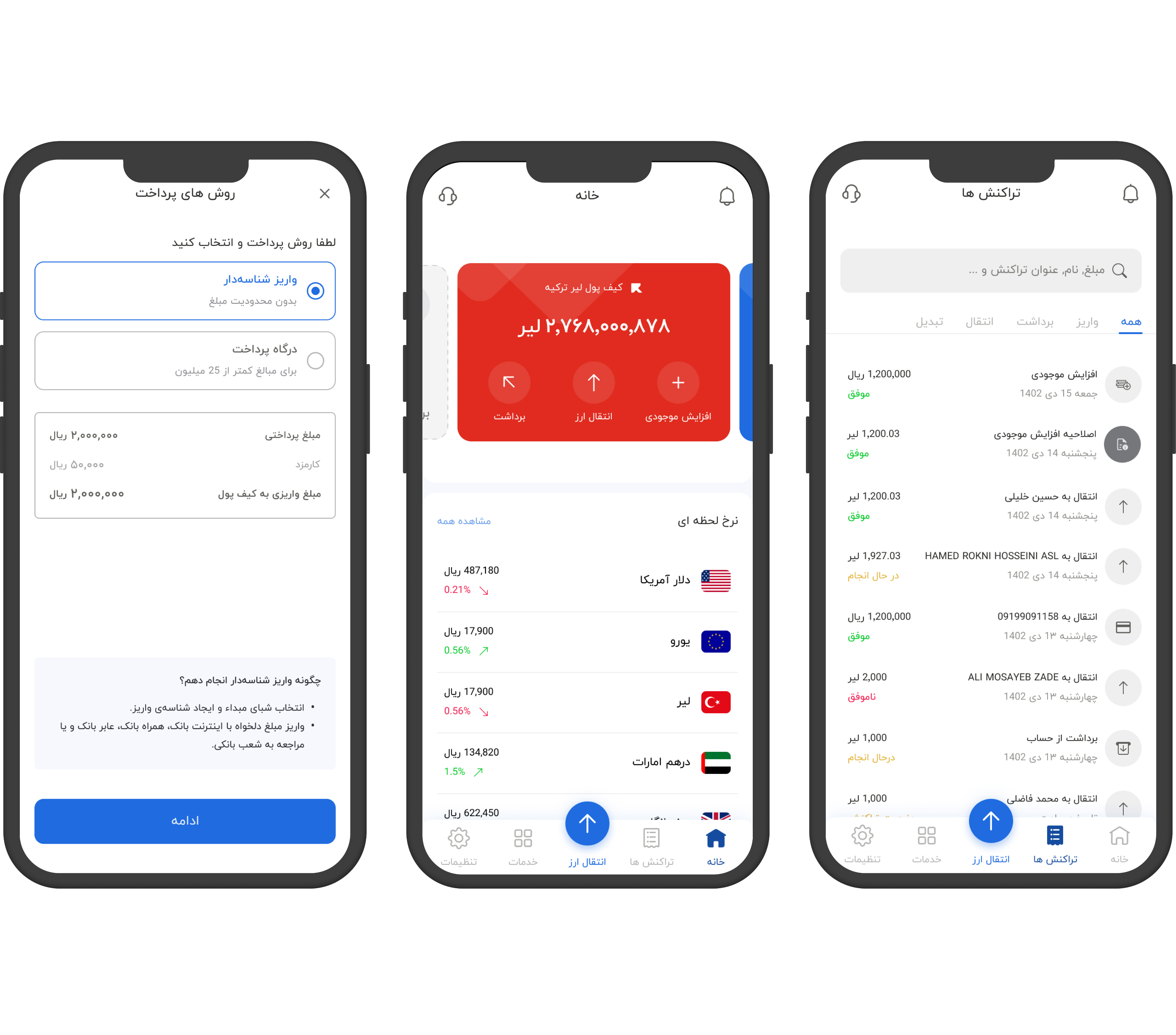
Timeline
2024
PLATFORM
Mobile Fintech Product
MY ROLE
Product Designer
Overview
Remino is a cross-border fintech application that enables users to verify their identity, manage a wallet, and move money between Iran and Turkey.
The product supports core financial actions including account verification, wallet deposits and withdrawals, currency exchange, transfers to other users, and transaction tracking.
My work focused on defining and designing the first usable version of the product, shaping how users move from entry to their first successful financial action in a trust-sensitive environment.
Context
Operating in a trust-critical environment
Remino operates in a cross-border financial context where users are required to share sensitive personal and financial information early. Expectations around clarity, safety, and predictability are high.
At the same time, the product must accommodate country-specific requirements for Iran and Turkey, introducing unavoidable complexity into identity verification and transfers.
The challenge was not to remove this complexity, but to design an experience that makes it understandable and manageable.
The Problem
Defining a usable first version
The primary problem was defining a first version of the product that users could confidently complete end to end.
Early risks included unclear sequencing between verification and financial actions, insufficient feedback during sensitive steps, and a lack of continuity between setup and real usage.
For the product to succeed, users needed to understand:
- what was required of them
- where they were in the process
- when they could start using the product meaningfully
Where risk concentrated
Reviewing the screens and flows revealed that uncertainty concentrated around account readiness, identity verification, and the transition into the first transfer.
These moments required the most deliberate design attention.
- Entry
User opens Remino
- Register
User signs up
- Verify identity
User completes Iran or Turkey verification
- Deposit
User adds money to their Remino wallet
- Transfer
User sends money
- Completed
Money is successfully sent
Constraints
Regulatory and operational requirements
Verification steps, document capture, and country-specific identity flows were fixed requirements and could not be removed.
Trust sensitivity
Ambiguity during verification, transfers, or error states risked eroding confidence quickly.
MVP delivery
The product needed to reach a usable state without overbuilding secondary functionality. Prioritization and sequencing mattered more than feature breadth.
Strategy
Establishing a clear early journey
The strategy focused on defining a coherent early journey that connects entry, verification, and first financial action without friction or surprise.
Rather than treating flows as independent features, the product was designed as a continuous system, where each step prepares the user for the next.
Designing for predictability
Across verification, deposits, transfers, and withdrawals, predictability became a core principle. Users needed consistent structure, familiar patterns, and clear feedback regardless of the action they were taking.
Verification
Identity setup
Country-based compliance
Wallet & Balance
Deposit funds
Wallet readiness
Transfer & Transactions
Currency exchange
Money transfer
Transaction history
Key Decisions
Prioritizing identity before money movement
Identity verification for Iran and Turkey was positioned as a prerequisite for meaningful financial actions. The product makes this dependency explicit, reducing confusion when actions are restricted.
Supporting multiple financial actions without fragmentation
Wallet deposit, withdrawal, and transfer flows share consistent structure and interaction patterns. This reduces cognitive load and allows users to move between actions without relearning the interface.
Designing transfer flows around real usage
Transfer flows support currency exchange, recipient selection, and confirmation in a clear sequence. Fees, amounts, and outcomes are visible before commitment, reducing hesitation at the decision point.
Making transaction history a core experience
Transaction history is not treated as a secondary log. It acts as confirmation, reassurance, and a reference point that reinforces trust in the system.
Identity verification for Turkey tomeet compliance requirements
Setting up a cross-border transferwith real-time exchange visibility
Final transfer confirmation is required prior to completing your submission
Transaction history with clearstatus and detailed traceability
Final Design
Core product capabilities
The first usable version of Remino supports:
- login and registration
- country-specific identity verification for Iran and Turkey
- wallet deposit and withdrawal
- money transfer with currency exchange
- transaction history and detailed transaction states
Each capability is designed to fit within a shared structure, avoiding isolated or one-off flows.
How the product feels in use
The experience is structured and deliberate. Users are guided through verification before financial actions, and once active, can move confidently between wallet management and transfers.
Success, failure, and pending states are clearly communicated, maintaining continuity across the product.
Verification
Select your country to start identity verification based on local requirements.
Upload and review your identity documents before submitting for verification.

Identity verification is complete and your account is now fully approved and unlocked for transactions.
Deposit
Enter the amount you want to add to your wallet balance before continuing.
Select a payment method and review deposit details before moving forward.
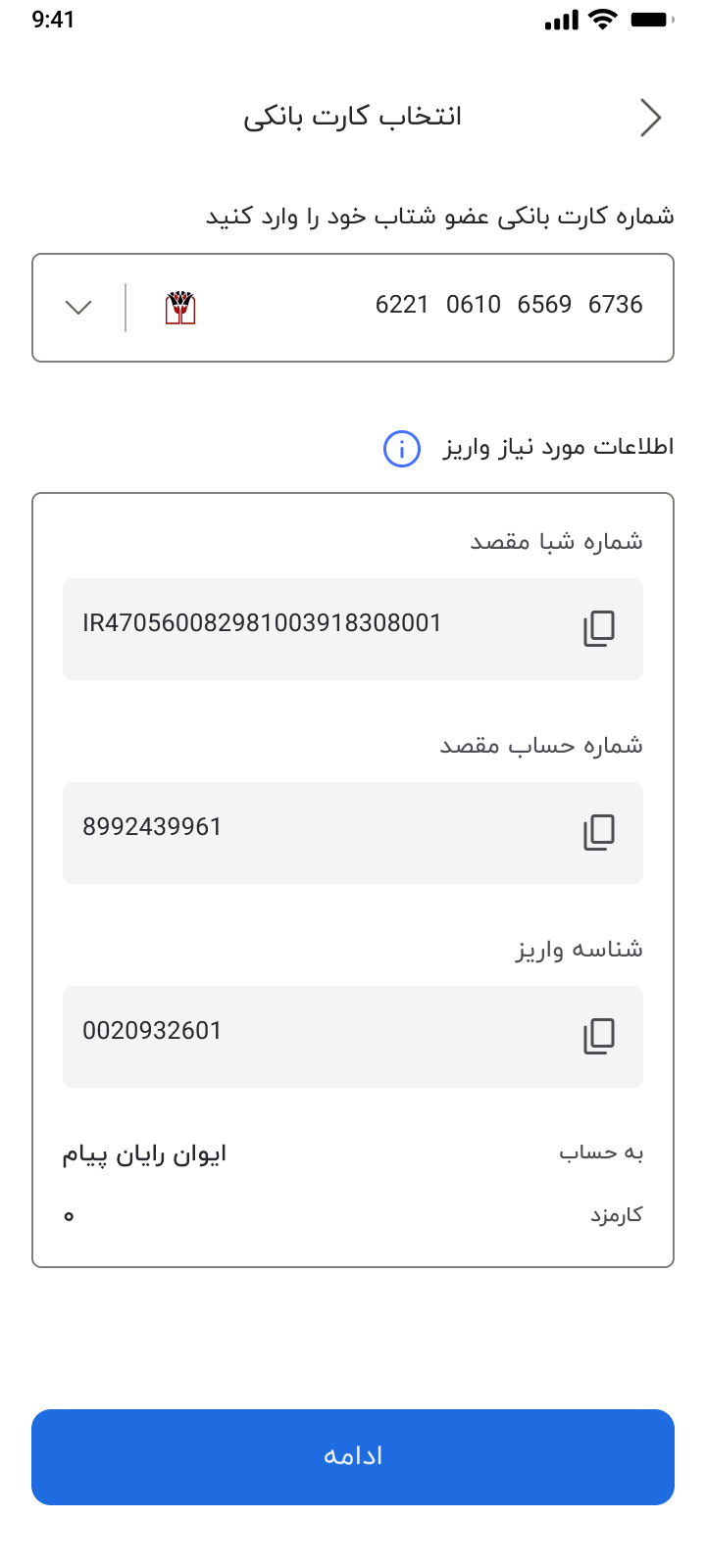
View and copy the required bank transfer details to complete your deposit securely.
Transfer and Exchange
Review the sending amount, real-time exchange rate, and all transfer fees before continuing.
Enter the recipient’s IBAN and personal details required to process the international transfer.
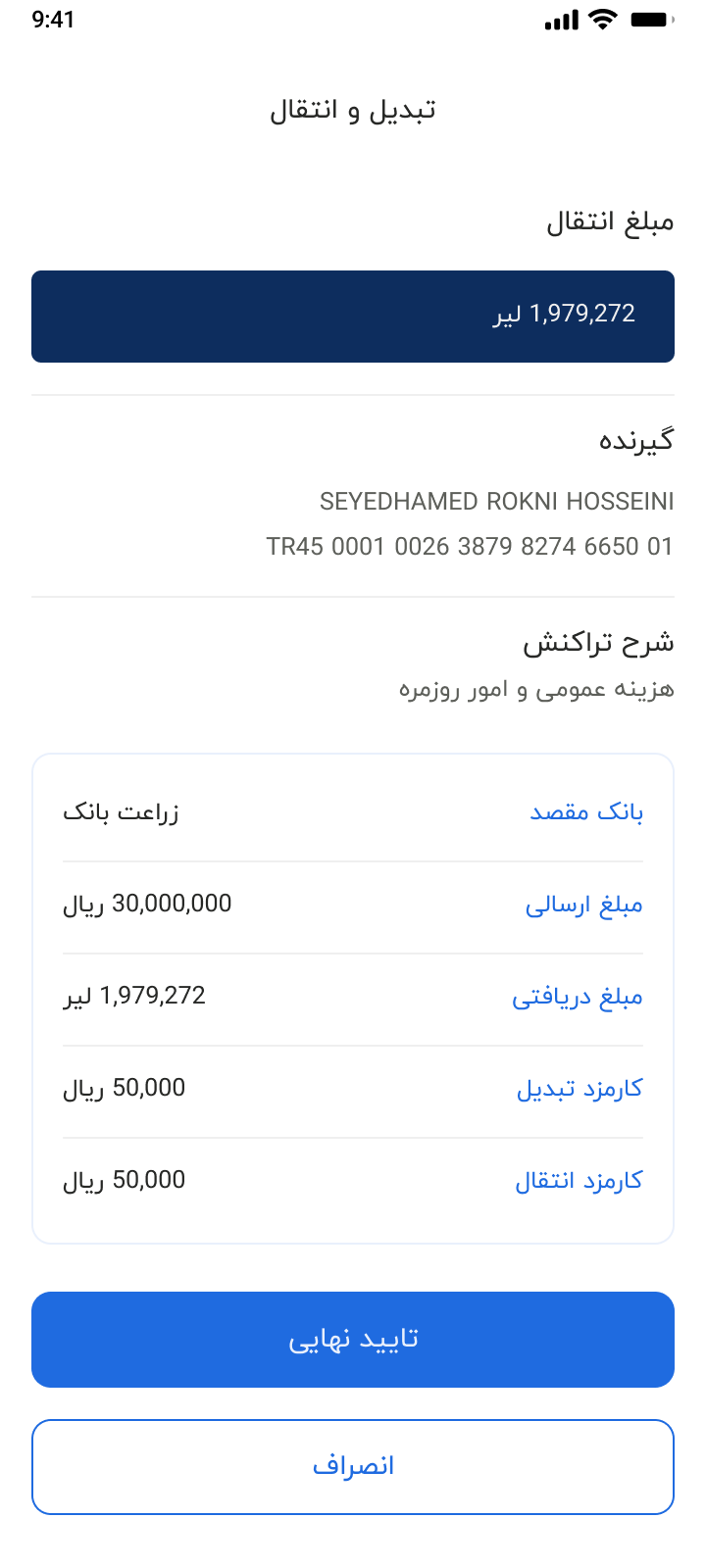
Confirm recipient information, amounts, and fees before submitting the transfer.
Outcomes
Product impact
The product reached a usable MVP state with clear flow ownership and consistent interaction patterns. Stakeholders were able to align around a shared understanding of the product structure early.
Design and development progressed with fewer reversals due to clearly defined flows and reusable patterns.
Signals for future measurement
If instrumentation were added, success would be evaluated through completion of verification, first transfer completion, and reduction in support issues related to early usage.
My Role
Ownership
I was responsible for defining and designing the MVP and first usable version of the product.
This included flow definition, interaction design across all core features, alignment with regulatory constraints, and validation of key journeys before development.
Learnings
Trust is built across systems, not screens
In a fintech product, clarity and predictability across the entire journey matter more than polish in any single flow.
Early structure prevents later rework
Designing shared patterns for financial actions reduced fragmentation and made future iteration easier.
Next Steps
Future work would focus on deeper instrumentation, refinement of verification feedback loops, and extension of validated patterns to additional financial scenarios.
Improving error recovery and edge cases would further strengthen user confidence.